
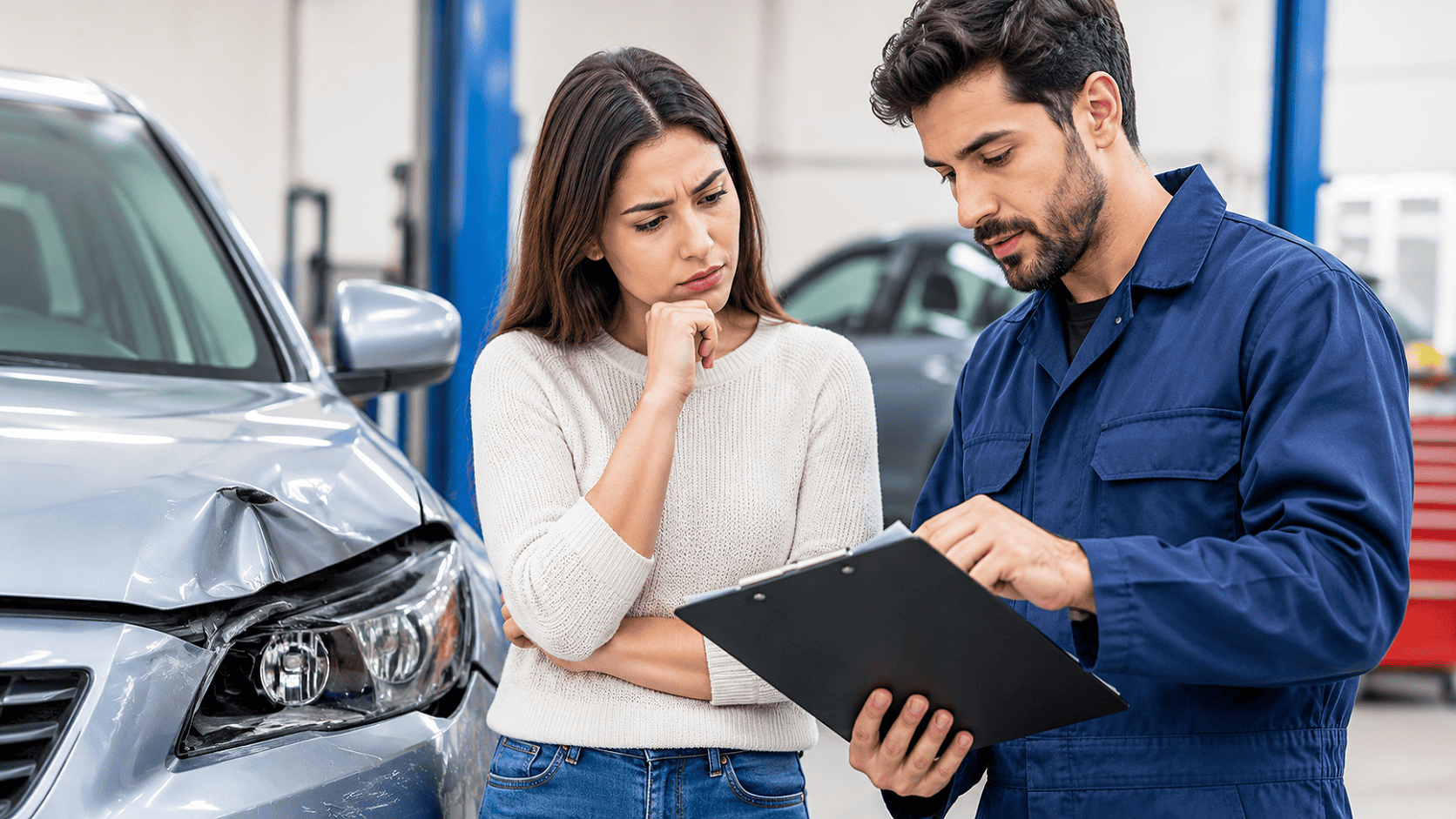
Being involved in a car accident is stressful enough without worrying about how you will pay for the repairs. If your vehicle has been damaged and you do not have comprehensive car insurance, you may be wondering how to get it repaired, what financial options are available and whether someone else can be held responsible for the damage.
In Australia, driving without comprehensive insurance does not mean you cannot get your vehicle repaired. However, who pays for the repairs will depend on how the accident happened, who was responsible and what insurance coverage is available.
Understanding your options before arranging repairs can help you avoid unnecessary expenses and make informed decisions.
In this guide, we explain how to manage car accident repairs without insurance, explore possible payment options and outline what to consider when choosing a professional smash repairer.
1. Understand What Happens When You Have No Car Insurance
The first step is understanding what type of insurance you have, if any.
In Australia, there are different types of motor vehicle insurance, and they do not all cover damage to your own vehicle.
Compulsory Third Party (CTP) Insurance
CTP insurance is compulsory for registered vehicles in Australia, although the arrangements vary between states and territories. It generally covers personal injuries caused by a motor vehicle accident. It does not cover damage to vehicles or other property.
Third-Party Property Damage Insurance
This type of insurance generally covers damage you cause to another person’s vehicle or property if you are legally responsible for an accident. It does not normally cover repairs to your own vehicle.
Third-Party Fire and Theft Insurance
This provides third-party property damage cover along with specified protection against events such as fire and theft. It does not ordinarily cover accidental collision damage to your own vehicle.
Comprehensive Car Insurance
Comprehensive insurance generally provides the broadest level of vehicle damage protection, including accidental damage to your own vehicle, subject to policy terms, conditions and exclusions.
If you only have CTP or third-party property damage insurance, you may need to arrange and pay for your own vehicle repairs following an accident that damages your car.
2. Determine Who Was Responsible for the Accident
Before deciding how to pay for car accident repairs without insurance, establish who was responsible for the collision.
This is important because your options may be different depending on whether you caused the accident or another driver was responsible.
If the Accident Was Your Fault
If you caused the accident and do not have comprehensive insurance, you will generally need to pay for the damage to your own vehicle.
You may also be legally responsible for damage caused to another person’s vehicle or property.
If you have third-party property damage insurance, contact your insurer to understand whether the other person’s property damage is covered.
If you have no applicable insurance, you may need to negotiate payment arrangements or seek legal advice about any claim made against you.
If Another Driver Was at Fault
If another driver caused the accident, you may be able to recover the reasonable cost of repairing your vehicle from the responsible driver.
Depending on the circumstances, you may be able to deal directly with the driver or their insurance company.
You will generally need evidence supporting your position, such as photographs, witness details, accident reports and repair quotations.
However, recovering money is not always straightforward. The other driver may dispute responsibility, refuse to pay or have limited financial resources.
For more information about this situation, read our related guide: No Car Insurance and Someone Hit Me: What Happens Next?
3. Get a Professional Vehicle Damage Assessment
Before spending money on repairs, arrange a professional assessment of your vehicle’s condition.
Visible damage does not always show the full extent of an accident. A collision that appears to have caused a small dent or bumper scratch may also affect internal supports, mounting points or other vehicle components.
A professional assessment can help identify the work required and provide a clearer understanding of the likely repair costs.
Depending on the damage, the assessment may include checking:
- Front and rear bumpers.
- Doors, bonnets and boot panels.
- Vehicle body alignment.
- Damaged guards and other body panels.
- Headlights and external fittings.
- Paintwork scratches and dents.
- Potential structural damage.
- Other components affected by the collision.
Ask the repairer to explain which components need repairing or replacing and whether any additional inspection is necessary.
If the vehicle may be unsafe to drive, arrange towing rather than attempting to drive it to the workshop.
4. Obtain Multiple Repair Quotes
One of the most effective ways to manage car accident repair costs without insurance is to compare written quotations from professional repairers.
Different repair businesses may recommend different repair approaches depending on the damage, parts required and labour involved.
Obtaining multiple quotes helps you understand the expected costs and compare the proposed work.
When requesting a quote, consider asking for:
- A breakdown of the required repairs.
- Parts and labour costs.
- Whether damaged panels can be repaired or need replacement.
- Paint preparation and refinishing costs.
- Any additional inspection requirements.
- Estimated repair timeframes.
- Any applicable workmanship warranty or guarantee.
Make sure you compare quotations for similar repair work rather than choosing a repairer based on the lowest price alone.
A significantly cheaper quote may exclude certain repairs or involve different parts and repair methods.
The goal should be to find a repairer who offers a suitable balance of workmanship, safety, transparency and cost.
5. Explore Different Ways to Pay for Your Car Repairs
If you are paying for accident repairs yourself, you may need to consider different payment arrangements.
The right option will depend on the repair cost, your available budget and the urgency of getting your vehicle back on the road.
Pay for the Repairs Upfront
If the damage is relatively minor and you have sufficient savings, paying the repair cost upfront may be the simplest option.
Before proceeding, ask for a written quotation and confirm what the quoted amount includes.
Also clarify whether additional costs could arise if further damage is discovered during the repair process.
Ask About Instalment Payments
Some repair businesses may be willing to discuss payment arrangements, depending on their policies.
You can ask whether they offer instalment payments or whether an agreed deposit can be paid before the remaining balance.
Make sure you understand the payment schedule, any additional charges and the conditions before agreeing.
Do not assume every repairer offers payment plans.
Consider a Suitable Finance Option
For more expensive repairs, you may consider an appropriate finance arrangement if you can comfortably manage the repayments.
Before taking out finance, compare:
- Interest rates.
- Establishment and account fees.
- Repayment amounts.
- Loan duration.
- Total amount repayable.
- Consequences of missed payments.
Avoid committing to repayments that place unnecessary pressure on your household budget.
Prioritise Essential Repairs
If the damage is extensive and you cannot afford to repair everything immediately, ask the repairer which work is essential for safety and roadworthiness.
Cosmetic damage may sometimes be addressed separately, but safety-related damage should never be ignored.
A professional repairer can explain which work needs immediate attention and whether the vehicle can legally and safely remain on the road.
6. Can You Recover Repair Costs from the Other Driver?
If another driver was responsible for the accident, you may be able to seek compensation for the damage to your vehicle even if you do not have comprehensive insurance.
The process generally involves gathering evidence, establishing responsibility and requesting payment.
Consider the following steps:
Collect Accident Evidence
Keep photographs, witness details, registration information, police reference numbers and any relevant dashcam footage.
Obtain Repair Quotations
Arrange a professional assessment and obtain written quotations outlining the required repairs.
Contact the Responsible Driver
Explain the damage and request that they arrange payment or provide details of their insurance company.
Consider a Letter of Demand
If the other driver or their insurer does not agree to pay, you may be able to send a formal letter of demand supported by repair quotations and relevant evidence.
Explore Dispute Resolution
If you cannot reach an agreement, consider mediation or seek legal advice about your options.
The process and available legal remedies depend on the state or territory, the circumstances of the accident and the evidence available.
It is also important to consider whether the other driver has the financial capacity to pay. Winning a legal claim does not always guarantee that you will recover the money.
7. Choose a Reliable Smash Repairer
When paying for repairs yourself, choosing the right smash repairer is particularly important.
You want to make sure the repair work is appropriate, the costs are clearly explained and the vehicle is returned in a safe and suitable condition.
Before selecting a repair business, consider:
- Experience handling accident-related vehicle damage.
- Panel beating and smash repair capabilities.
- Automotive spray painting services.
- The quality and clarity of repair quotations.
- Communication throughout the repair process.
- Repair warranties and relevant terms.
- Whether the repairer can explain the work in straightforward language.
Ask questions if you do not understand a recommended repair or replacement.
A professional repairer should be able to explain the damage, proposed work and expected costs before you commit.
Do not choose a repairer based on price alone. Poor-quality repairs may create additional problems and expenses later.
8. Understand the Car Repair Process
Once you have agreed on the quotation and payment arrangements, the repair work can begin.
Depending on the damage, the process may involve several stages.
Damage Assessment
The repairer examines the vehicle and identifies the damaged components and required repairs.
Panel Beating and Body Repairs
Damaged panels are repaired or replaced depending on their condition and the appropriate repair requirements.
Surface Preparation
Affected surfaces are prepared to create a suitable foundation for refinishing.
Automotive Spray Painting
Where necessary, the repaired areas are painted using an appropriate colour-matching and refinishing process.
Reassembly and Quality Checks
Components are refitted, and the completed work is inspected before the vehicle is returned.
The repair timeframe will depend on the severity of the damage, parts availability, repair complexity and any additional work identified during the process.
Ask your repairer for an estimated completion timeframe and request updates if the work takes longer than expected.
9. What If Your Car Is Too Expensive to Repair?
Sometimes, the cost of repairing an accident-damaged vehicle may be greater than its market value.
In these circumstances, the vehicle may be classified as a write-off under the applicable Australian vehicle damage and registration rules.
This can happen even if the vehicle does not have comprehensive insurance.
Before deciding whether to repair or replace the vehicle, consider:
- The current market value of the car.
- The estimated repair cost.
- The extent of structural or mechanical damage.
- The cost of sourcing replacement parts.
- Whether the vehicle can legally be repaired and returned to the road.
- Any relevant written-off vehicle registration requirements.
A professional assessment can help you understand whether repairing the vehicle is financially worthwhile.
Do not authorise expensive repairs before understanding the full extent of the damage and any applicable vehicle registration requirements.
10. How to Avoid Expensive Repair Problems in the Future
Although accidents cannot always be prevented, you can take steps to reduce the financial impact of unexpected vehicle damage.
Consider the following:
- Review your insurance coverage regularly.
- Understand the difference between CTP, third-party and comprehensive insurance.
- Compare insurance policies based on coverage, exclusions and excess amounts.
- Keep records of your vehicle’s condition and maintenance.
- Address minor vehicle damage before it becomes a bigger problem.
- Choose qualified professionals for accident repairs.
- Maintain an emergency savings buffer for unexpected vehicle expenses.
Comprehensive insurance may not suit every budget, but understanding the potential financial consequences of going without it can help you make a more informed decision.
Conclusion
Dealing with car accident repairs without insurance can be challenging, particularly when unexpected costs affect your budget. However, you still have options.
Whether you need to pay for your own repairs, arrange an instalment agreement, explore suitable finance or recover costs from another responsible driver, understanding the available options is an important first step.
Start by arranging a professional damage assessment, obtaining clear repair quotations and discussing the most appropriate way to proceed.
At Vitra Autobodies, we understand that accident-related vehicle damage can be stressful. If your vehicle needs attention after a collision, explore our automotive repair services and contact our team to discuss your repair requirements.