
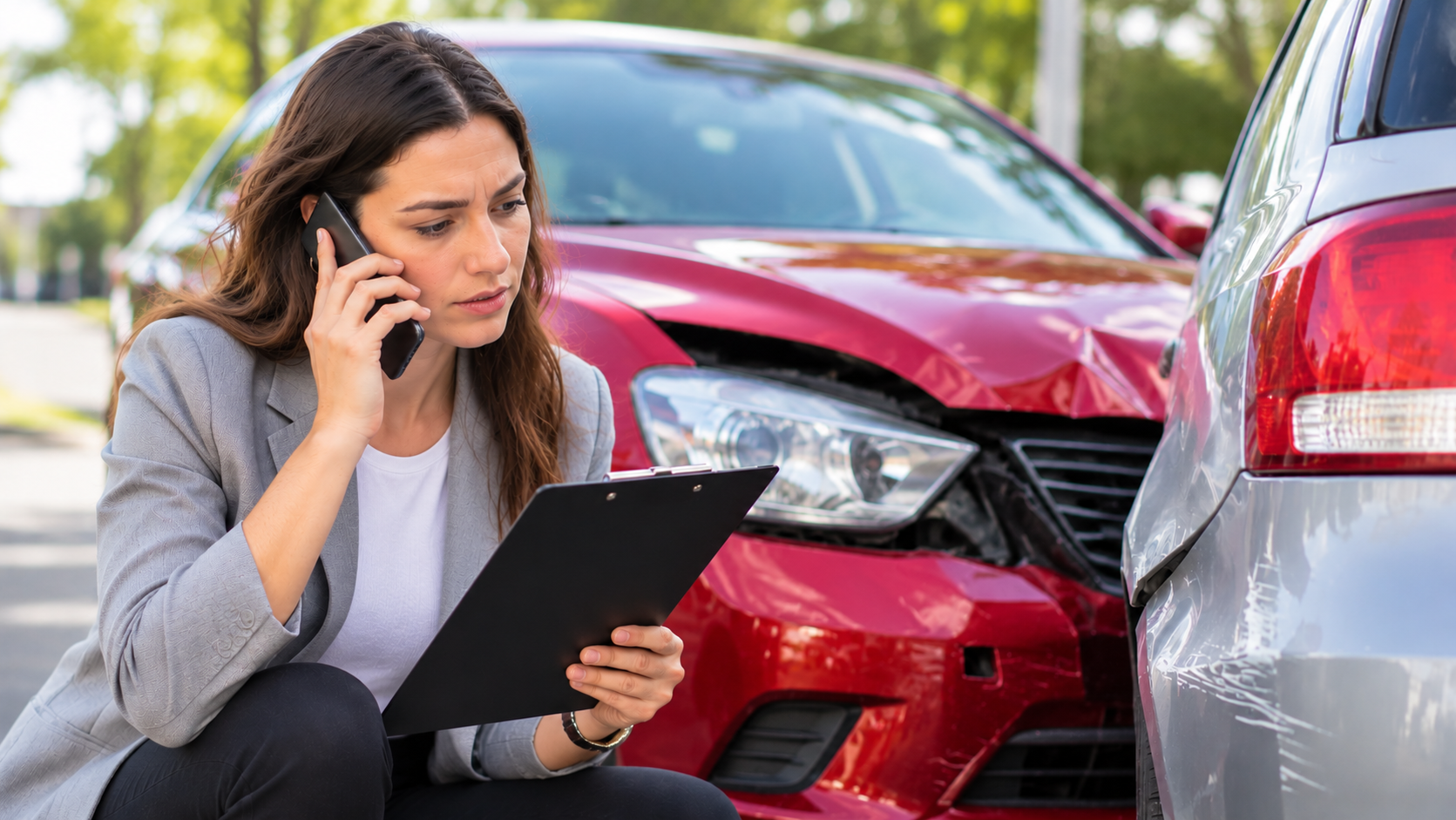
Discovering that someone has hit your car can be frustrating, especially when you are unsure who is responsible or how to handle the damage. Whether another driver has collided with your vehicle while driving, reversed into it in a car park or damaged it while parked, knowing what to do next can help you manage the situation.
If you are wondering, “Someone hit my car, what do I do?”, the first priority is to make sure everyone is safe, document the damage and collect as much information as possible.
In Australia, the next steps will depend on the circumstances of the accident, whether the other driver is present, and what type of car insurance you have. This guide explains what to do if someone hits your car, how to handle insurance claims and when to arrange professional smash repairs.
1. Check for Injuries and Make Sure Everyone Is Safe
Before worrying about the damage to your vehicle, check whether anyone involved in the incident has been injured.
If the accident has just happened:
- Stop your vehicle safely and switch on your hazard lights.
- Check yourself, your passengers and anyone else involved for injuries.
- Look for immediate hazards, such as leaking fuel, smoke or damaged electrical components.
- Move away from traffic if the surrounding conditions make it unsafe to remain there.
- Call Triple Zero (000) if someone is seriously injured, trapped or in immediate danger.
If the collision involves a parked vehicle and nobody is injured, assess the surroundings before approaching the damaged car.
Do not attempt to drive a vehicle that may be unsafe due to collision damage. If there are concerns about its roadworthiness, arrange towing assistance.
2. Check Whether the Other Driver Is Still at the Scene
What you should do next depends partly on whether the person who hit your car has stayed at the scene.
If the Other Driver Is Present
If the other driver has stopped, approach the situation calmly and exchange the necessary information.
Collect their:
- Full name and contact details.
- Residential address.
- Driver’s licence details, where appropriate.
- Vehicle registration number.
- Vehicle make and model.
- Insurance company details, if available.
You should also provide your relevant details.
Take photographs of both vehicles and the surrounding area. Avoid arguing about responsibility or making assumptions about who caused the accident.
If the Other Driver Has Left
If someone has hit your car and driven away without leaving their details, it may be treated as a hit-and-run incident.
Try to record anything that could help identify the vehicle, including:
- Vehicle registration number, if witnessed.
- Make, model and colour.
- A description of the driver, if available.
- Approximate time and location of the incident.
- Direction in which the vehicle travelled.
Look around for witnesses or nearby businesses that may have CCTV footage covering the incident.
Report the matter to the police when required and obtain an incident or reference number where available.
Do not attempt to follow or confront the driver.
3. Take Photos of the Damage and Accident Scene
Photographic evidence is important when someone else has damaged your vehicle. It can help your insurer understand what happened and assess the extent of the damage.
Use your mobile phone to capture clear photographs of:
- The damaged areas of your car.
- Close-up images of dents, scratches and broken panels.
- Wider photographs showing the entire vehicle.
- The other vehicle, if it is still present.
- Both vehicle registration plates.
- The surrounding road, car park or accident location.
- Any relevant debris or visible marks.
If your car was parked when the incident occurred, photograph its position and the surrounding area as well.
You should also record the date, approximate time and location of the incident.
If someone witnessed the collision, ask whether they are willing to provide their contact details and a brief account of what they saw.
If you have dashcam footage, save a copy before it is overwritten. You may also wish to check whether nearby businesses or properties have CCTV footage.
Keep all evidence organised, as it may be useful when submitting your insurance claim.
4. Report the Incident to the Police if Necessary
Not every minor vehicle collision requires police attendance. However, certain circumstances require police involvement or reporting under Australian state and territory rules.
Contact the police if:
- Someone has been injured or killed.
- The other driver has failed to stop or exchange details.
- You suspect the other driver was under the influence of alcohol or drugs.
- There is a serious safety risk or traffic obstruction.
- The circumstances meet your state’s or territory’s accident reporting requirements.
If someone has hit your parked car and left without providing their details, contact your local police service to understand the appropriate reporting process.
Keep any police reference number with your accident records.
Police reporting requirements differ across Australia, so check the rules applicable to the location where the incident occurred.
5. Contact Your Car Insurance Provider
After documenting the incident and collecting the available information, contact your insurance provider.
Your next steps will depend on your insurance coverage and whether the other driver can be identified.
If You Have Comprehensive Car Insurance
Comprehensive insurance generally covers accidental damage to your own vehicle, subject to the policy’s terms, conditions and exclusions.
If someone hits your car, contact your insurer and explain what happened.
They will guide you through the claims process and explain whether you need to arrange an assessment, pay an excess or obtain repair approval.
If the other driver is identified and found responsible, your insurer may be able to recover the costs from their insurer.
If You Have Third-Party Property Damage Insurance
Third-party property damage insurance generally covers damage you cause to someone else’s vehicle or property. It does not normally cover accidental damage to your own vehicle.
If someone else hits your car, you may be able to pursue compensation from the responsible driver’s insurer or directly from the responsible driver, depending on the circumstances.
If You Have Third-Party Fire and Theft Insurance
This type of policy generally covers specified events, such as fire and theft, along with damage you cause to other people’s property.
It does not ordinarily cover collision damage to your own vehicle caused by another driver.
Check your policy wording to understand exactly what is covered.
6. What If Someone Hit My Parked Car?
Finding damage on your parked car can be particularly frustrating because you may not know when or how the incident happened.
If you discover that someone has hit your parked vehicle, take the following steps:
- Photograph all visible damage before moving the vehicle, if safe.
- Check whether a note has been left by the other driver.
- Look for witnesses or nearby CCTV cameras.
- Ask nearby businesses or property managers whether relevant footage is available.
- Record the location, date and time you discovered the damage.
- Contact the police if the driver has left without providing details or reporting is otherwise required.
- Notify your insurance provider and ask about your available options.
If your vehicle was parked in a shopping centre, residential complex or workplace car park, contact the relevant management team to ask whether security footage is available.
CCTV recordings may only be retained for a limited period, so it is worth making enquiries promptly.
If you cannot identify the driver, your ability to make a successful claim may depend on your insurance policy and the evidence available.
7. Can I Claim Insurance If Someone Else Hit My Car?
Yes, you may be able to claim compensation if another driver caused damage to your vehicle.
However, the process depends on whether the responsible driver can be identified, whether liability can be established and what insurance coverage is available.
If the other driver is known, you may have the option of making a claim through their insurer or contacting your own insurer for assistance.
If the other driver cannot be identified, your options may be more limited.
Before lodging a claim, consider the following:
- Is the other driver’s identity known?
- Do you have their registration and contact details?
- Are there photographs or witness statements supporting your account?
- Is there CCTV or dashcam footage?
- What excess applies under your policy?
- Does your policy cover the type of damage involved?
Ask your insurer to explain whether an excess applies and whether it may be waived or refunded if the responsible driver is identified and the relevant conditions are satisfied.
Avoid assuming that the other driver’s insurance will automatically pay for all repairs. Liability and coverage need to be established.
8. Get Your Vehicle Professionally Assessed
Even if the damage appears minor, it is important not to overlook possible underlying issues.
A collision can affect more than the visible bodywork. Depending on where and how the impact occurred, damage may extend to internal supports, mounting points, lights, sensors or other vehicle components.
A professional vehicle damage assessment can help identify the repairs required.
Common types of accident damage include:
- Scratches and dents on doors and body panels.
- Damaged front or rear bumpers.
- Cracked or broken lights.
- Damaged bonnets, boots and guards.
- Misaligned panels.
- Damaged paintwork.
- Potential structural damage.
The repair requirements will depend on the severity and location of the impact.
If you notice unusual noises, warning lights, steering problems or fluid leaks after the collision, avoid driving the vehicle until it has been appropriately assessed.
9. Arrange Professional Smash Repairs
Once the damage has been assessed and the insurance arrangements are understood, the next step is to organise the necessary repairs.
Depending on the condition of your vehicle, the repair process may involve:
Panel Beating
Damaged body panels are repaired or replaced where necessary to restore the vehicle’s shape and alignment.
Surface Preparation
Affected surfaces are prepared to ensure a suitable finish before painting.
Automotive Spray Painting
Where required, damaged areas are refinished using an appropriate paint-matching process to achieve a consistent appearance.
Component Reassembly
Repaired or replacement components are refitted as required.
Final Quality Checks
The completed repairs are inspected to check the quality of the work before the vehicle is returned.
Choose a smash repairer who can clearly explain the repair requirements, estimated timeframe and work involved.
If you are making an insurance claim, confirm the repair approval process with your insurer before authorising work.
10. Keep All Documents and Follow Up on Your Claim
Once your claim has been lodged, keep track of all communication with your insurer and repairer.
Maintain copies of:
- Your insurance claim reference number.
- Police incident or reference number.
- Photographs and videos of the damage.
- Details exchanged with the other driver.
- Repair assessments and quotations.
- Insurance correspondence.
- Repair invoices and payment receipts.
Follow up with your insurer if you have not received an update within the expected timeframe.
Keeping accurate records can help avoid confusion and make it easier to resolve questions about the incident or repair work.
What Should You Do If Someone Hits Your Car and You Are Not at Fault?
If another driver hits your car and you believe the accident was entirely their fault, you should still follow the proper accident and insurance procedures.
Being not at fault does not automatically mean you will avoid all upfront costs or paperwork.
Your next steps should include:
- Collecting the other driver’s details.
- Photographing the damage.
- Obtaining witness information and available footage.
- Reporting the incident where required.
- Contacting your insurer.
- Confirming how the repair costs and any applicable excess will be handled.
If the responsible driver is identified, their liability may be considered when determining who pays for the repairs.
If there is a disagreement about responsibility, your insurer can explain the available dispute resolution process and the evidence required.
Conclusion
Finding out that someone has hit your car can be stressful, particularly when the responsible driver has left the scene or the damage is more extensive than it first appears.
Knowing what to do when someone hits your car can help you manage the situation more confidently. Prioritise safety, collect the necessary details, document the damage, report the incident where required and contact your insurer to understand your options.
Once the insurance arrangements are clear, having your vehicle professionally assessed and repaired is an important step towards restoring its condition.
At Vitra Autobodies, we understand that vehicle damage can disrupt your daily routine. If your car has been involved in a collision, explore our automotive repair services and get in touch with our team to discuss your vehicle repair requirements.