
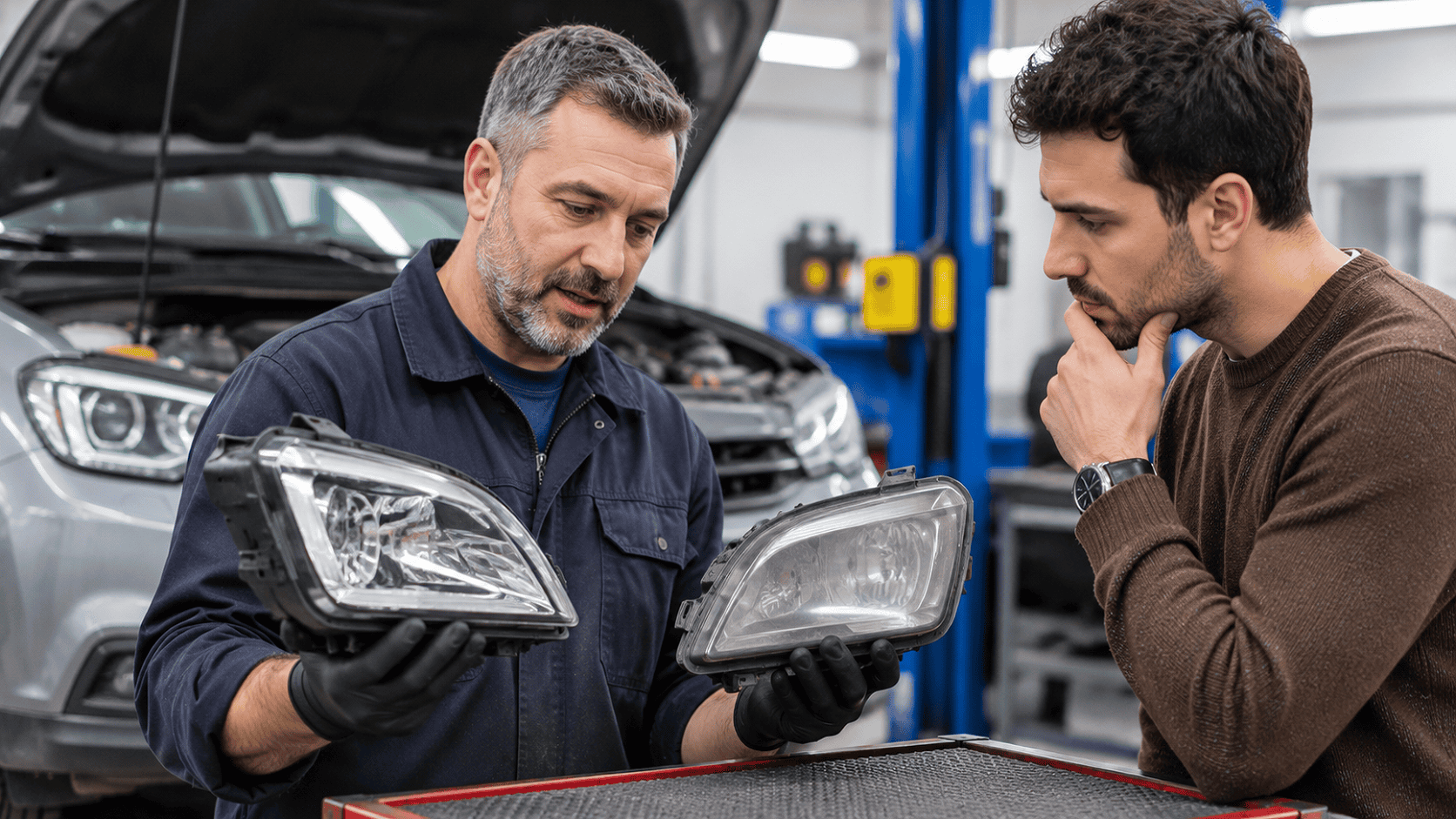
After a car accident, some vehicle components may need to be repaired or replaced to restore your vehicle’s appearance, functionality and safety. During the repair process, you may hear your repairer or insurer mention genuine OEM parts and aftermarket parts.
Although both options can be used for vehicle repairs, they are not the same. They differ in how they are manufactured, supplied, priced and sometimes fitted. Understanding these differences can help you make a more informed decision about your car repairs.
So, what is the difference between genuine OEM parts and aftermarket parts? And which option is better for your vehicle after an accident?
Let’s take a closer look.
What Are Genuine OEM Parts?
OEM stands for Original Equipment Manufacturer. Genuine OEM parts are replacement components supplied through the vehicle manufacturer’s authorised parts network and designed for the specific make and model.
These parts are intended to match the original components fitted to the vehicle. They are generally manufactured to the vehicle manufacturer’s specifications for fit, finish and performance.
For example, if your Toyota’s front bumper is damaged in an accident, a genuine Toyota replacement bumper would be a genuine OEM part.
Benefits of genuine OEM parts include:
- Vehicle-specific fit: Designed for the relevant make and model.
- Manufacturer specifications: Made to meet the vehicle manufacturer’s requirements.
- Consistent finish: Designed to match the original component’s shape and appearance.
- Traceability: Usually supplied through authorised parts distribution channels.
- Peace of mind: Some owners prefer genuine parts because they want replacements from the vehicle manufacturer.
However, genuine OEM parts can sometimes cost more than alternative replacement components. Availability may also vary depending on the vehicle model and part required.
What Are Aftermarket Parts?
Aftermarket parts are replacement components manufactured by companies other than the original vehicle manufacturer.
They are designed to fit particular vehicle makes and models and may be available from independent parts suppliers.
For example, an aftermarket replacement bumper for a Mazda may be manufactured by a third-party company rather than supplied through Mazda’s genuine parts network.
Aftermarket parts can vary in quality, materials, manufacturing standards and price. Some manufacturers produce well-made components, while others may offer lower-cost alternatives.
Potential benefits of aftermarket parts include:
- Lower purchase cost: Some aftermarket components are more affordable than genuine alternatives.
- Wider availability: Multiple suppliers may manufacture replacement parts for popular vehicle models.
- More options: Repairers may be able to compare products from different manufacturers.
- Cost flexibility: They may help manage repair costs where suitable parts are available.
However, it is important to check the manufacturer’s reputation, part specifications, compatibility and suitability before using an aftermarket component.
Genuine OEM Parts vs Aftermarket Parts: Key Differences
Both genuine OEM and aftermarket parts can be used for vehicle repairs, but there are some important differences.
| Comparison | Genuine OEM Parts | Aftermarket Parts |
| Manufacturer | Supplied through the vehicle manufacturer’s parts network | Manufactured by independent companies |
| Design | Made to the vehicle manufacturer’s specifications | Designed to fit specific vehicle models |
| Fitment | Intended to match the original component | Fitment can vary between manufacturers |
| Quality | Consistent with the manufacturer’s requirements | Varies depending on the manufacturer |
| Pricing | Often more expensive | May be more affordable |
| Availability | Depends on manufacturer stock and supply | May be available from multiple suppliers |
| Warranty | Subject to manufacturer or supplier terms | Depends on the parts manufacturer or supplier |
The right option depends on the vehicle, the damaged component, the quality of the replacement part and the repair requirements.
Are Genuine OEM Parts Better for Vehicle Safety?
Vehicle safety should always be a priority when replacing damaged components after an accident.
Some vehicle parts play a direct role in occupant protection, crash performance and the vehicle’s structural integrity. These components require particular attention during the repair process.
For example, structural components, sensors, suspension parts and certain safety-related systems must be repaired or replaced using suitable components and appropriate repair procedures.
Genuine OEM parts offer the advantage of being supplied to the vehicle manufacturer’s specifications. However, this does not automatically mean every aftermarket part is unsafe or unsuitable.
The quality and suitability of an aftermarket part depend on the manufacturer, the component and whether it meets the relevant requirements.
Before choosing a replacement part, consider:
- Whether the part is suitable for your vehicle’s make, model and year.
- Whether it meets applicable safety and regulatory requirements.
- Whether it is compatible with the vehicle’s existing systems.
- Whether it can be installed according to the manufacturer’s repair procedures.
- Whether the repairer can verify its quality and suitability.
For safety-critical components, it is particularly important to discuss the replacement options with a qualified repair professional.
Will Your Insurance Company Use Genuine or Aftermarket Parts?
If your vehicle is insured and you make a claim after an accident, the type of replacement parts used may depend on your insurance policy.
Some insurers may specify the use of genuine parts, while others may allow aftermarket, recycled or alternative parts under certain conditions.
Your Product Disclosure Statement (PDS) is an important document to check because it explains the terms and conditions of your policy, including how replacement parts are selected.
Before approving repairs, consider asking your insurer:
- Does my policy cover genuine OEM replacement parts?
- Can aftermarket parts be used during repairs?
- Are recycled or reconditioned parts permitted?
- Can I request genuine parts if I prefer them?
- Will choosing genuine parts affect my excess or out-of-pocket costs?
- What warranty applies to the replacement parts and repair work?
Do not assume that every comprehensive insurance policy automatically covers genuine OEM parts. The actual coverage depends on your policy wording and the circumstances of the claim.
What About Recycled and Reconditioned Car Parts?
Genuine OEM and aftermarket parts are not the only replacement options available after an accident. Recycled and reconditioned parts may also be considered.
Understanding the difference is important.
Recycled Parts
Recycled parts are recovered from other vehicles, often through automotive recyclers. They may be genuine manufacturer parts that have been previously used.
Their condition, age, compatibility and history should be assessed before installation.
Reconditioned Parts
Reconditioned parts are previously used components that have undergone repair or refurbishment to make them suitable for reuse.
The extent of reconditioning can vary depending on the component and supplier.
These options may help reduce repair costs, but they are not suitable for every type of vehicle damage or replacement requirement. Their use should depend on the component’s condition, safety requirements and compatibility.
Factors to Consider When Choosing Replacement Car Parts
Choosing replacement parts is not simply about finding the cheapest option. You should consider the overall suitability of the component and how it affects the finished repair.
1. Vehicle Make, Model and Age
The availability and cost of replacement parts can vary significantly between vehicles.
For newer vehicles, genuine parts may be preferred for certain components, particularly where advanced technology or manufacturer-specific systems are involved.
For older vehicles, suitable aftermarket or recycled parts may provide practical alternatives, depending on their condition and compatibility.
2. Type of Damage
The damaged component also influences which replacement option is appropriate.
A bumper cover, door mirror or exterior trim component may have different requirements from a structural component or safety-related system.
The repairer should assess the damage and determine which parts are suitable for the repair.
3. Quality and Compatibility
Regardless of whether a component is genuine or aftermarket, it must be compatible with the vehicle.
Incorrectly fitting components can affect panel alignment, appearance and the operation of connected systems.
Always consider the manufacturer’s specifications and the supplier’s information before selecting a replacement.
4. Overall Repair Cost
Genuine OEM parts may increase the total repair cost, while some aftermarket alternatives may be more affordable.
However, the cheapest component is not necessarily the best choice. Consider the quality, suitability, installation requirements and any applicable warranty.
5. Insurance Policy Requirements
If your repairs are being handled through an insurance claim, check which replacement parts are permitted under your policy.
Discuss any preferences or concerns with your insurer and repairer before the work begins.
Questions to Ask Your Smash Repairer Before Replacing Parts
Before approving accident repairs, it is worth discussing the replacement parts with your smash repairer.
Here are some useful questions to ask:
- Which damaged components need to be replaced?
- Are genuine OEM parts available for my vehicle?
- Are suitable aftermarket alternatives available?
- What is the difference in cost between the available options?
- Will the replacement parts affect the vehicle’s appearance or functionality?
- Are the parts compatible with my vehicle’s safety systems?
- What warranty applies to the replacement parts and repair work?
- Will the insurer approve the proposed replacement parts?
A clear discussion can help you understand the repair process and make informed decisions before work begins.
How Replacement Parts Affect the Smash Repair Process
The type of replacement parts used can influence the repair process, including parts sourcing, preparation, installation and final inspection.
After assessing the vehicle, the repairer identifies which components can be repaired and which need replacement.
Once the appropriate parts are selected, the repair process may include:
- Damage Assessment: The repairer inspects the vehicle to identify visible and underlying damage.
- Parts Selection: Suitable replacement components are identified based on the vehicle and repair requirements.
- Parts Sourcing: The required components are ordered from the relevant manufacturer or supplier.
- Installation: Damaged components are replaced, and the new parts are fitted according to the applicable repair procedures.
- Preparation and Painting: Where required, replacement panels are prepared and painted to match the vehicle’s finish.
- Final Inspection: The completed repairs are checked for fitment, finish and overall quality.
The time required can vary depending on the extent of the damage, parts availability and the complexity of the repairs.
Choose the Right Parts for Your Vehicle Repairs
When comparing genuine OEM parts vs aftermarket parts, there is no single option that is automatically best for every vehicle or repair situation.
Genuine OEM parts offer manufacturer-specified replacements, while aftermarket parts can provide alternative options at different price points. The most suitable choice depends on the component, vehicle requirements, quality, insurance coverage and repair standards.
Before proceeding with accident repairs, speak with your smash repairer about the available options and make sure you understand the parts being used.
At Vitra Autobodies, we understand the importance of proper vehicle assessment and quality repairs following an accident. If your vehicle has been damaged and requires professional attention, contact our team to discuss your smash repair requirements.