
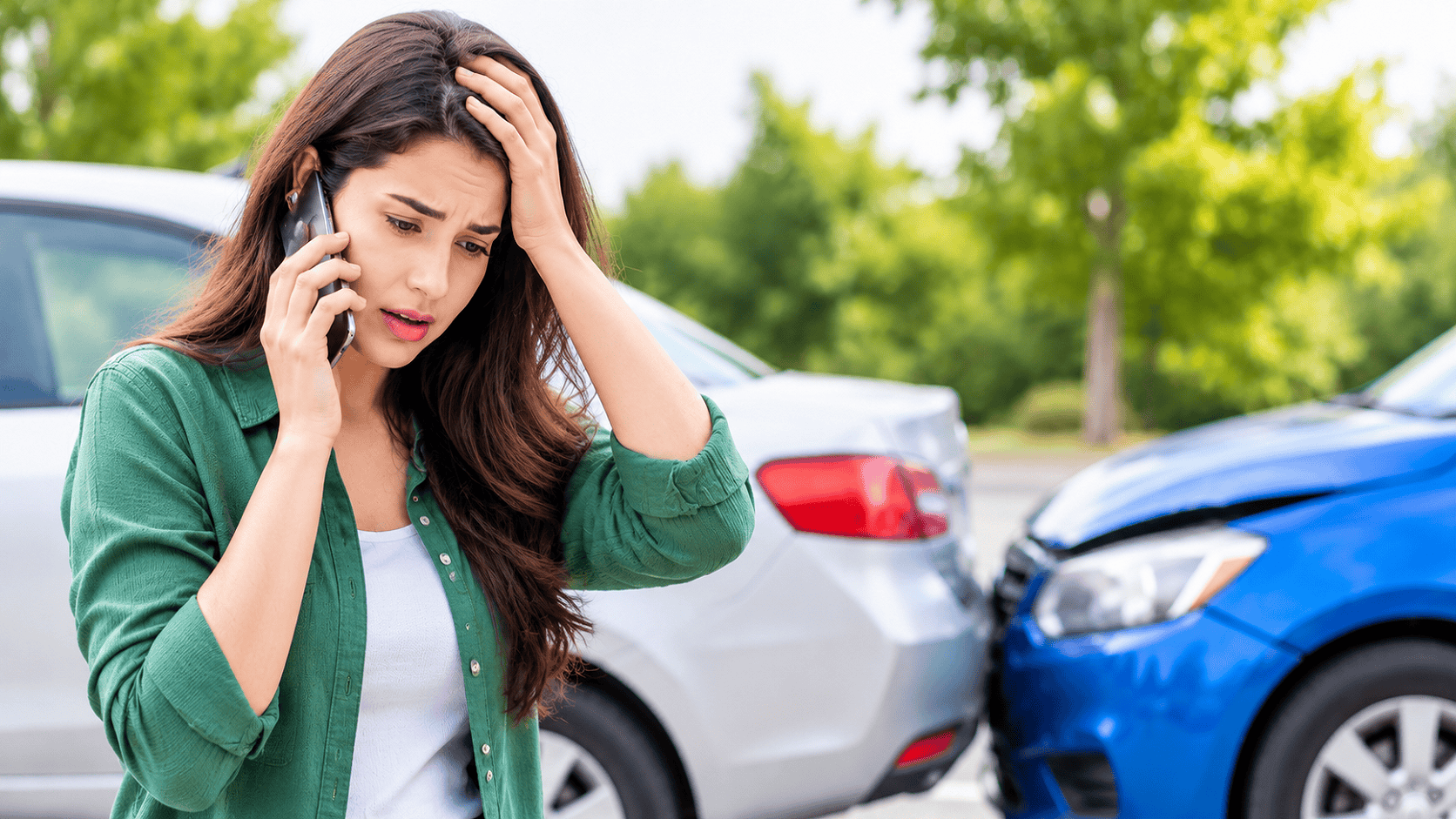
Being involved in a car accident is stressful, but the situation can feel even more complicated when you do not have car insurance. If another driver hits your vehicle and you do not have comprehensive insurance, you may be concerned about who will pay for the damage and whether you can still get your car repaired.
The good news is that not having comprehensive car insurance does not automatically mean you must pay for the damage caused by another driver.
In Australia, you may still have the right to recover reasonable repair costs from the person responsible for the accident, depending on the circumstances and available evidence.
If you are thinking, “I have no car insurance and someone hit me”, understanding your options can help you take the right steps.
This guide explains what happens when an uninsured driver is hit by another motorist, how to approach the other driver’s insurer, what to do if the responsible driver refuses to pay and how to arrange professional vehicle repairs.
1. First, Understand What It Means to Have No Car Insurance
Before looking at your options, it is important to understand the different types of vehicle insurance in Australia.
Not having comprehensive insurance does not necessarily mean you have no insurance at all.
Compulsory Third Party (CTP) Insurance
CTP insurance is compulsory for registered vehicles in Australia, although the arrangements differ between states and territories.
It generally covers certain personal injury claims arising from motor vehicle accidents. It does not cover damage to your vehicle or another person’s property.
Third-Party Property Damage Insurance
This insurance generally covers damage you cause to another person’s vehicle or property if you are legally responsible for an accident.
It does not normally cover accidental damage to your own vehicle.
Comprehensive Car Insurance
Comprehensive insurance generally covers accidental damage to your own vehicle, including damage caused by another driver, subject to the policy’s conditions and exclusions.
If you only have CTP or third-party property damage insurance, you may not be able to claim for your own vehicle repairs through your insurance policy.
However, you may still be able to pursue the driver responsible for the accident.
2. Check Whether the Other Driver Was Responsible
One of the most important factors is establishing who caused the accident.
If another driver was responsible for hitting your vehicle, you may have grounds to seek compensation for the resulting damage.
However, responsibility is not automatically determined by who hit whom. The circumstances of the accident and available evidence must be considered.
For example, the other driver may be responsible if they:
- Failed to give way when required.
- Ran a red traffic light.
- Reversed into your stationary vehicle.
- Failed to maintain a safe following distance.
- Changed lanes without checking properly.
- Lost control of their vehicle through negligent driving.
In some accidents, both drivers may share responsibility. This is sometimes referred to as contributory negligence.
If you believe the other driver was responsible, avoid admitting fault or agreeing to pay anything before the circumstances have been properly assessed.
If liability is disputed, consider obtaining independent legal advice.
3. Collect the Other Driver’s Details and Accident Evidence
If someone hits your car, collecting accurate information at the accident scene is essential.
Even if you do not have comprehensive insurance, evidence can help support a claim against the responsible driver.
Make sure you collect:
- Full name and contact details of the other driver.
- Residential address, where required.
- Driver’s licence details.
- Vehicle registration number.
- Vehicle make, model and colour.
- Vehicle owner’s details, if different from the driver.
- Insurance company details, if available.
You should also photograph the accident scene and vehicle damage.
Important evidence includes:
- Photographs of damaged panels, bumpers and other affected areas.
- Images of both vehicle registration plates.
- Wider photographs showing the position of the vehicles.
- Road signs, traffic signals and surrounding conditions.
- Witness contact details.
- Relevant dashcam footage.
- Police incident or reference numbers, if applicable.
Write down the date, time and location of the accident while the information is still fresh.
If the other driver refuses to provide their details or leaves the scene, contact the police and follow the reporting requirements applicable in your state or territory.
4. Can I Claim Against the Other Driver’s Insurance?
Yes. If another driver was responsible for the accident and has appropriate insurance, you may be able to seek payment for your vehicle repairs through their insurer.
You do not necessarily need your own comprehensive insurance to pursue a claim against a responsible third party.
The process generally involves the following steps.
Step 1: Obtain the Other Driver’s Insurance Details
Ask for the name of their insurance provider and any relevant claim reference number.
Step 2: Contact the Insurer
Explain that their policyholder was involved in an accident that damaged your vehicle. Provide the available accident details and evidence.
Step 3: Arrange a Vehicle Damage Assessment
You may need to obtain repair quotations or arrange an inspection to establish the extent and cost of the damage.
Step 4: Provide Supporting Documents
Submit photographs, repair quotations, witness information and any other relevant evidence requested.
Step 5: Wait for Liability and Claim Assessment
The insurer may investigate the circumstances and consider whether its policyholder was responsible for the accident.
An important point to understand is that the other driver’s insurer does not automatically become your insurer. You are generally pursuing a claim against the responsible driver, and their insurer may handle that claim under the terms of their policy.
Do not assume that repairs will be approved or paid for until responsibility and the relevant arrangements have been confirmed.
5. What If the Other Driver Has No Insurance Either?
The situation can become more complicated if both drivers do not have comprehensive or applicable third-party insurance.
However, the absence of insurance does not automatically remove a driver’s responsibility for damage they cause.
If the other driver was responsible for the accident, you may still be able to pursue them directly for reasonable repair costs and other recoverable losses.
Consider these steps:
- Collect all available evidence of the accident.
- Obtain written repair quotations from professional repairers.
- Calculate any additional reasonable costs, such as towing or vehicle storage.
- Contact the responsible driver and request payment.
- Consider negotiation or mediation if they dispute the amount.
- Seek legal advice if the matter cannot be resolved.
If the other driver refuses to pay, you may be able to pursue a civil claim through the appropriate court or tribunal process.
However, taking legal action can involve time and expense. Even if you obtain a favourable decision, recovering the money may be difficult if the other driver has limited financial resources.
Legal Aid services in your state or territory can help explain the available options.
6. What If the Other Driver Hit My Car and Drove Away?
If someone hits your vehicle and leaves without providing their details, the incident may be treated as a hit-and-run.
This can make recovering repair costs more difficult, particularly if you do not have comprehensive insurance.
Take the following steps:
- Record the time and location of the incident.
- Photograph the damage to your vehicle.
- Check for nearby witnesses.
- Look for CCTV cameras covering the accident area.
- Save any relevant dashcam footage.
- Report the incident to the police as required.
- Obtain a police reference number where available.
If the vehicle registration or driver cannot be identified, your options for recovering property damage costs may be limited.
However, if the driver is later identified, you may be able to pursue a claim against them.
It is important to distinguish vehicle damage claims from personal injury claims. Depending on the circumstances and state or territory scheme, separate options may exist for people injured in accidents, even when the driver responsible cannot be identified.
7. Get a Professional Assessment of Your Vehicle Damage
Once you have collected the necessary accident information, arrange a professional assessment of your vehicle.
Even if the damage looks minor, a collision can cause problems that are not immediately visible.
For example, an impact to a bumper may also affect mounting points, internal supports or vehicle sensors.
A professional smash repairer can inspect the affected areas and help identify the work required.
The assessment may include checking:
- Front and rear bumper damage.
- Damaged doors, guards and body panels.
- Bonnet and boot alignment.
- Vehicle body alignment.
- Broken lights and external fittings.
- Scratches, dents and paintwork damage.
- Potential structural damage.
Ask for a written repair quotation that clearly explains the recommended work and estimated costs.
If the vehicle is not safe to drive, arrange appropriate towing assistance rather than risking further damage or injury.
8. Who Pays for My Car Repairs If I Have No Insurance?
This is usually the biggest concern for drivers who do not have comprehensive insurance.
The answer depends on who was responsible for the accident and whether the damage can be recovered from them.
Here are some common situations:
Scenario 1: The Other Driver Was Fully Responsible and Has Insurance
You may be able to seek the reasonable cost of repairing your vehicle from the responsible driver through their insurer.
Scenario 2: The Other Driver Was Responsible but Has No Insurance
You may need to pursue the responsible driver directly for the repair costs. Negotiation, mediation or legal action may be options.
Scenario 3: Both Drivers Were Partly Responsible
The amount each driver may need to pay can depend on their respective responsibility for causing the accident.
Scenario 4: The Responsible Driver Cannot Be Identified
Recovering vehicle repair costs may be difficult without identifying the responsible party. Your options will depend on the circumstances and any applicable legal scheme.
Scenario 5: You Were Partly Responsible
You may still be able to recover some of your losses if the other driver also contributed to causing the accident. However, the amount may be reduced depending on the degree of responsibility attributed to each driver.
Do not assume that the person whose vehicle was damaged is automatically entitled to full payment. Liability and the amount of recoverable damage need to be established.
9. What If the Other Driver Refuses to Pay?
Even when you believe another driver was responsible, they may refuse to pay for your vehicle repairs.
They may dispute the accident circumstances, disagree with the repair costs or simply ignore your requests.
If this happens, consider the following options.
Obtain Independent Repair Quotations
Get more than one written quotation to demonstrate the reasonable cost of repairing the damage. Make sure the quotations cover comparable work.
Send a Letter of Demand
A letter of demand formally requests payment from the responsible driver or their insurer. It should explain why you believe they are responsible, the amount being claimed and the supporting evidence.
Consider Mediation
An independent mediation service may help both parties reach an agreement without going to court.
Seek Legal Advice
If the other driver continues to refuse payment, obtain legal advice about whether starting a civil claim is appropriate.
Before accepting a settlement or signing an agreement that releases the other driver from further responsibility, understand exactly what rights you may be giving up.
10. Arrange Professional Smash Repairs
Once responsibility and payment arrangements have been addressed, you can organise the necessary vehicle repairs.
Choosing an experienced smash repairer is important because accident damage may involve more than cosmetic issues.
Depending on the condition of your vehicle, the repair process may involve several stages.
Damage Assessment
The repairer examines the vehicle and identifies the affected areas and required repairs.
Panel Beating
Damaged panels may be repaired or replaced, depending on their condition and the appropriate repair requirements.
Surface Preparation
Affected areas are prepared to create a suitable foundation for refinishing.
Automotive Spray Painting
Where required, paint is matched and applied to restore the vehicle’s appearance.
Reassembly and Final Inspection
Repaired components are refitted, and the completed work is checked before the vehicle is returned.
Before approving the work, confirm who will be responsible for the repair costs and whether any settlement or payment agreement has been reached.
11. Important Things to Remember When You Have No Car Insurance
If another driver hits your vehicle and you do not have comprehensive insurance, keep these important points in mind:
- Not having comprehensive insurance does not automatically prevent you from seeking compensation from a responsible driver.
- CTP insurance generally covers personal injury rather than vehicle repairs.
- Establishing who was responsible is important before pursuing payment.
- Collect photographs, witness details and other supporting evidence.
- Obtain professional repair quotations before deciding how much to claim.
- Do not assume the other driver’s insurer will automatically approve your repair costs.
- Seek legal advice if responsibility or payment becomes disputed.
- Keep records of all communication and agreements.
Understanding these points can help you make more informed decisions and avoid unnecessary complications.
Conclusion
Being hit by another driver when you do not have comprehensive car insurance can create financial and practical challenges. However, you may still have options for recovering the cost of repairing your vehicle.
The most important steps are to collect evidence, establish who was responsible, obtain professional repair quotations and understand the available ways to recover your losses.
If the other driver was responsible, you may be able to pursue payment through their insurer or directly from them, depending on the circumstances.
At Vitra Autobodies, we understand that dealing with accident-related vehicle damage can be stressful. If your car has been involved in a collision, explore our automotive repair services and contact our team to discuss your vehicle repair requirements.