
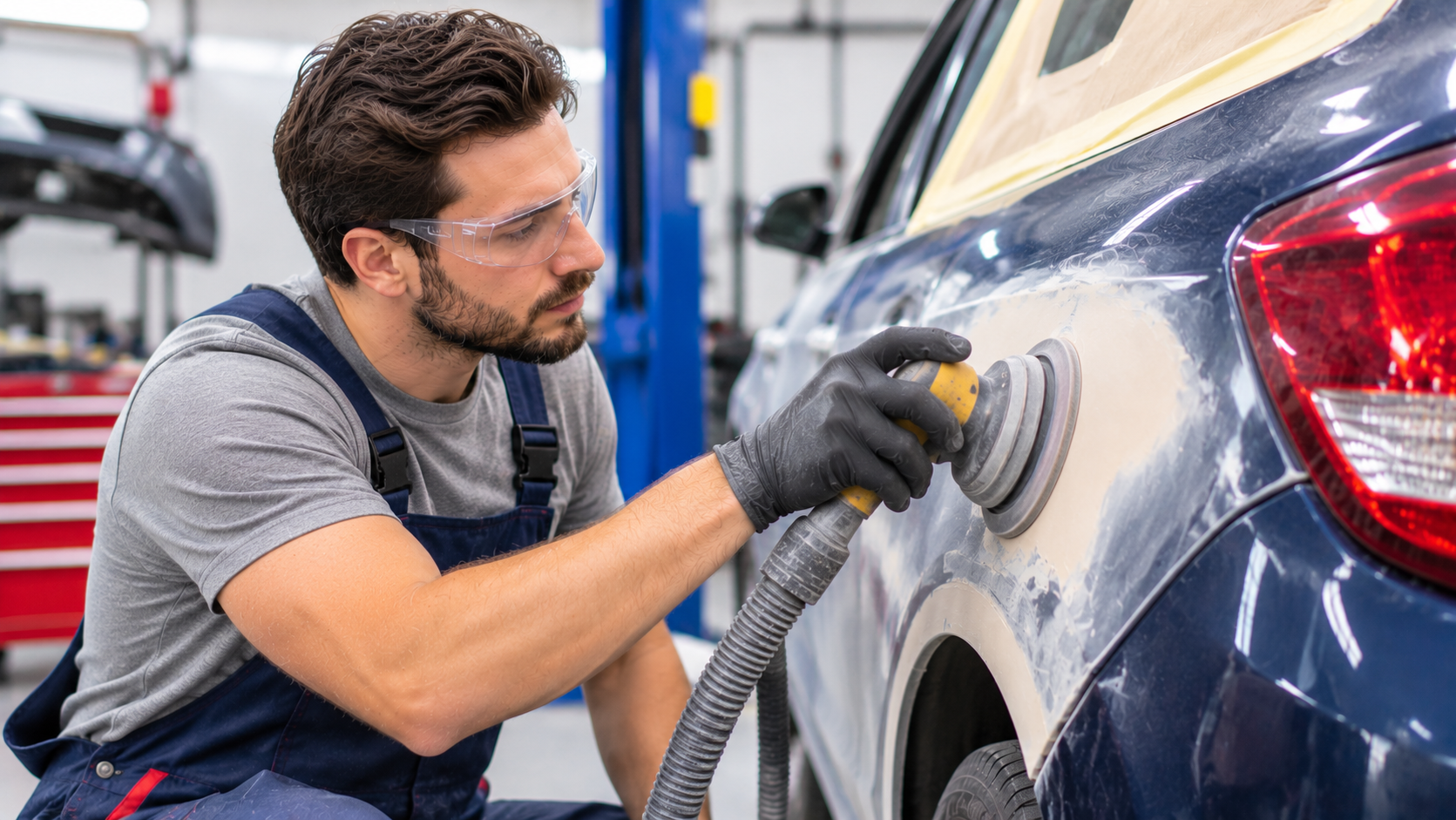
When your car is damaged in an accident, restoring its appearance and condition often requires more than simply fixing a dent or repainting a scratched panel. Damaged bodywork needs to be carefully assessed, repaired or replaced to help restore the vehicle’s shape, alignment and finish.
This is where a professional panel beater comes in.
But what does a panel beater do, and what actually happens when you take your damaged vehicle to a smash repair workshop?
A panel beater is an automotive repair professional who specialises in repairing and restoring damaged vehicle body panels and structures. From minor dents and scratches to more extensive collision damage, panel beaters use specialised tools and repair techniques to bring damaged vehicles back to an appropriate condition.
In this guide, we explain the responsibilities of a panel beater, the tools they use and the different stages involved in the car repair process.
What Does a Panel Beater Do?
A panel beater repairs damaged vehicle bodywork following accidents, collisions and other incidents.
Their main responsibility is to restore damaged panels and body components to their appropriate shape, alignment and condition, following suitable repair methods.
Depending on the extent of the damage, their work may involve:
- Repairing dents and creases in vehicle panels.
- Straightening damaged bodywork.
- Removing and replacing damaged panels.
- Repairing vehicle doors, bonnets, guards and bumpers.
- Correcting panel alignment and gaps.
- Preparing repaired surfaces for painting.
- Working with other automotive repair professionals during more complex repairs.
Panel beaters work with different vehicle makes and models, using specialised equipment and repair techniques suited to the type of damage.
The aim is not simply to make a vehicle look better. Repairs must also consider the vehicle’s structural integrity, safety systems and manufacturer repair requirements.
When Do You Need a Panel Beater?
You may need a panel beater whenever your vehicle’s bodywork has been damaged and requires professional attention.
Some damage is easy to notice, while other problems may only become apparent after a closer inspection.
Common situations that may require panel beating include:
Accident and Collision Damage
Collisions can damage multiple vehicle panels, including doors, bumpers, guards and bonnets. A panel beater assesses the damage and determines the appropriate repair or replacement method.
Dents and Creases
Parking accidents, minor impacts and objects striking your vehicle can leave dents and creases. Depending on the damage, these may be repaired using specialised panel repair techniques.
Scratches and Damaged Bodywork
Deep scratches and impacts may affect the vehicle’s body panels and paintwork. Repairing the affected areas may involve panel preparation and refinishing.
Damaged Bumpers and Guards
Front and rear impacts can damage bumper components and surrounding body panels. These components may require repair or replacement depending on their condition.
Vehicle Panel Misalignment
If doors, bonnets or other panels no longer fit correctly following an accident, a professional assessment may be required to identify the cause and determine the necessary repairs.
The Panel Beating Process: Step by Step
The car repair process involves several stages, depending on the type and severity of the damage.
Here is what generally happens when a damaged vehicle goes through a panel beating and smash repair process.
Step 1: Vehicle Inspection and Damage Assessment
The first step is inspecting the damaged vehicle.
The panel beater examines the affected areas to identify visible damage and determine whether further inspection is required.
This may include checking:
- Damaged doors and body panels.
- Front and rear bumpers.
- Bonnet and boot alignment.
- Vehicle body structure.
- Panel gaps and mounting points.
- Other components affected by the collision.
For more extensive accidents, additional inspections may be necessary to identify hidden structural or mechanical damage.
The findings help determine which components can be repaired and which may need replacement.
Step 2: Removing Damaged Panels and Components
Before repairs begin, certain damaged components may need to be removed to provide access to the affected areas.
This can include:
- Bumpers and bumper covers.
- Doors and external trim.
- Headlights and tail lights.
- Damaged guards.
- Other affected body components.
Removing selected components also allows the repairer to inspect areas that may not be visible from the outside.
Any additional damage discovered during this stage may require further assessment and approval before work continues.
Step 3: Straightening and Repairing Damaged Panels
Once the affected areas have been accessed, the panel beater begins repairing the damaged bodywork.
Depending on the type of damage, this may involve specialised tools and techniques to restore the panel’s original shape.
Common repair methods include:
- Dent removal.
- Metal straightening.
- Panel reshaping.
- Repairing minor creases.
- Correcting panel alignment.
- Replacing panels that cannot be safely or appropriately repaired.
The repair method depends on the material, damage severity and manufacturer repair requirements.
Where structural components are affected, repairs must follow appropriate vehicle-specific procedures rather than relying on cosmetic correction alone.
Step 4: Surface Preparation
After the damaged panels have been repaired or replaced, the surfaces may need preparation before painting.
This stage helps create a smooth and suitable foundation for the refinishing process.
Depending on the repair, preparation may include:
- Removing old paint from affected areas.
- Sanding and smoothing repaired surfaces.
- Applying appropriate fillers where suitable.
- Applying primers and protective coatings.
- Preparing surfaces for colour matching and painting.
Careful preparation is important because imperfections at this stage can affect the final paint finish.
Step 5: Automotive Spray Painting
If the repair involves damaged paintwork, the vehicle may require professional spray painting.
The refinishing process generally involves matching the paint colour, preparing the surface and applying the appropriate paint products.
The aim is to achieve a consistent finish that blends with the surrounding vehicle panels.
Depending on the repair, painting may involve several coats and a clear coat to achieve the required appearance and protection.
Step 6: Reassembly and Component Installation
After the body repairs and painting are completed, the removed components are refitted.
This may involve reinstalling:
- Doors and trims.
- Headlights and tail lights.
- External fittings.
- Other removed vehicle components.
The repairer checks that the components fit correctly and that the repaired areas align appropriately.
Where vehicle sensors or safety systems have been affected, the relevant checks, repairs or calibrations may also be required.
Step 7: Final Inspection and Quality Checks
The final stage involves inspecting the completed repair work before the vehicle is returned.
Depending on the repairs performed, checks may include:
- Panel alignment and gaps.
- Paint colour and finish.
- Door and bonnet operation.
- Bumper and component fitting.
- Lights and affected electrical components.
- Relevant safety systems.
- Overall repair quality.
Any identified issues should be addressed before the repair is considered complete.
What Tools Does a Panel Beater Use?
Panel beaters use specialised tools and equipment to repair different types of vehicle body damage.
The tools required depend on the vehicle, the materials involved and the extent of the damage.
Some commonly used equipment includes:
Panel Beating Hammers and Dollies
Used together to reshape and straighten damaged metal panels.
Dent Pullers
Help remove certain dents by applying controlled pulling force to damaged areas.
Hydraulic Pulling Equipment
Used in appropriate repairs to apply controlled force when correcting damaged body sections.
Measuring Equipment
Helps assess vehicle body dimensions, alignment and repair accuracy.
Sanding and Grinding Tools
Used to prepare surfaces and remove unwanted material during the repair process.
Welding Equipment
Used where suitable for joining or repairing vehicle components in accordance with manufacturer repair procedures.
Modern repair workshops may also use specialised equipment for structural measuring, paint preparation and vehicle system inspections.
How Long Does Panel Beating Take?
The time required for panel beating depends on the extent of the damage, the repair method and the availability of replacement parts.
A minor dent may require considerably less time than a vehicle with extensive collision damage.
Some factors that affect repair time include:
- Number of damaged panels.
- Severity of the collision.
- Whether panels need replacement.
- Availability of genuine or approved replacement parts.
- Additional structural or mechanical damage.
- Paint preparation and refinishing requirements.
- Insurance assessment and approval processes, where applicable.
Your repairer should provide an estimated timeframe after assessing the vehicle.
Keep in mind that unexpected damage discovered during repairs or delays in sourcing parts can affect the original completion estimate.
Can a Panel Beater Repair All Types of Vehicle Damage?
Not every type of vehicle damage can be repaired using panel beating alone.
Panel beaters primarily focus on vehicle bodywork, but accident damage can also affect mechanical components, electrical systems, suspension and safety equipment.
For example:
- Engine damage may require a qualified mechanic.
- Suspension damage may require specialist mechanical repairs.
- Damaged wiring may require an automotive electrician.
- Airbag and sensor issues may require specialist diagnostic equipment and procedures.
- Extensive structural damage may require specialised measuring and repair equipment.
A professional repair assessment helps identify when additional automotive specialists are required.
The repair process may involve several professionals working together to restore the vehicle appropriately.
What Should You Look for When Choosing a Panel Beater?
Choosing the right panel beater is important when your vehicle needs accident repairs.
Before selecting a repair business, consider the following:
Experience and Repair Knowledge
Look for a repairer with experience handling the type of vehicle damage your car has sustained.
Repair Assessment and Quotation
A professional repairer should explain the damage, recommended work and expected costs.
Repair Equipment and Capabilities
Check whether the workshop has suitable equipment for the repairs required.
Paint Matching and Finishing
If your vehicle needs refinishing, ask about the repairer’s spray painting and colour-matching processes.
Communication
Choose a business that keeps you informed about repair progress, unexpected issues and estimated completion dates.
Workmanship and Repair Terms
Ask about any applicable workmanship guarantees, warranties and repair conditions.
If you are making an insurance claim, also check whether your insurer has specific repairer approval requirements.
Conclusion
A panel beater plays an important role in restoring vehicles after accidents and other types of body damage. From inspecting damaged panels and straightening metalwork to preparing surfaces and coordinating refinishing, their work involves several stages that require technical knowledge and specialised equipment.
Understanding what a panel beater does can help you make more informed decisions when your vehicle needs repairs.
At Vitra Autobodies, we understand the importance of professional vehicle repairs following an accident. If your car has sustained body damage, explore our automotive repair services and contact our team to discuss your vehicle repair requirements.